
Choosing how to run the beer game usually comes down to one question: stick with the traditional board version, or move it online? Both teach the same core lesson — the bullwhip effect — but they differ sharply in setup, cost, engagement, and how fast you reach a meaningful debrief. This guide compares the two across seven practical criteria, so you can pick the format that fits your group, your goals, and your schedule.
The Board Beer Game
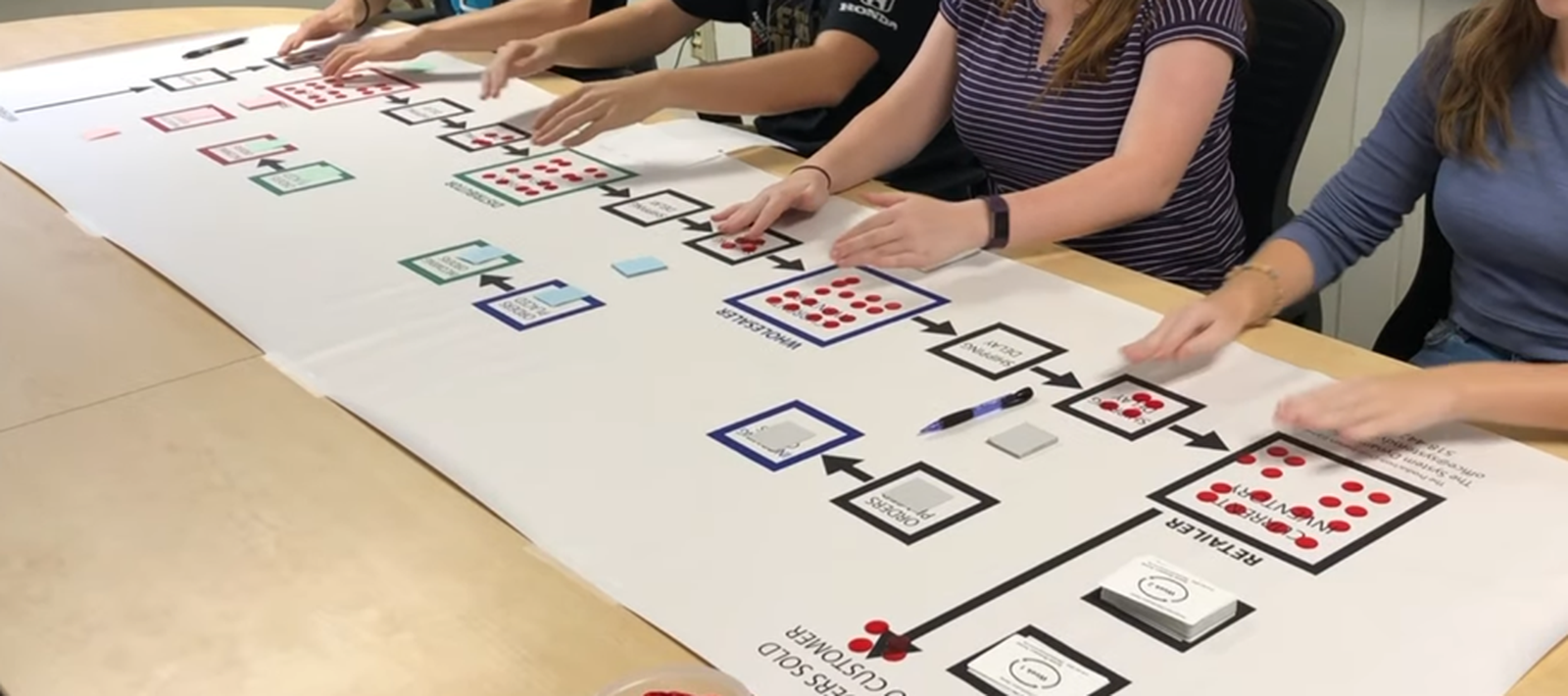
The board beer game is the original: a face-to-face experience built on physical materials and direct human interaction. It's valued for its authenticity and the group dynamics of putting a team around a table.
The Online Beer Game
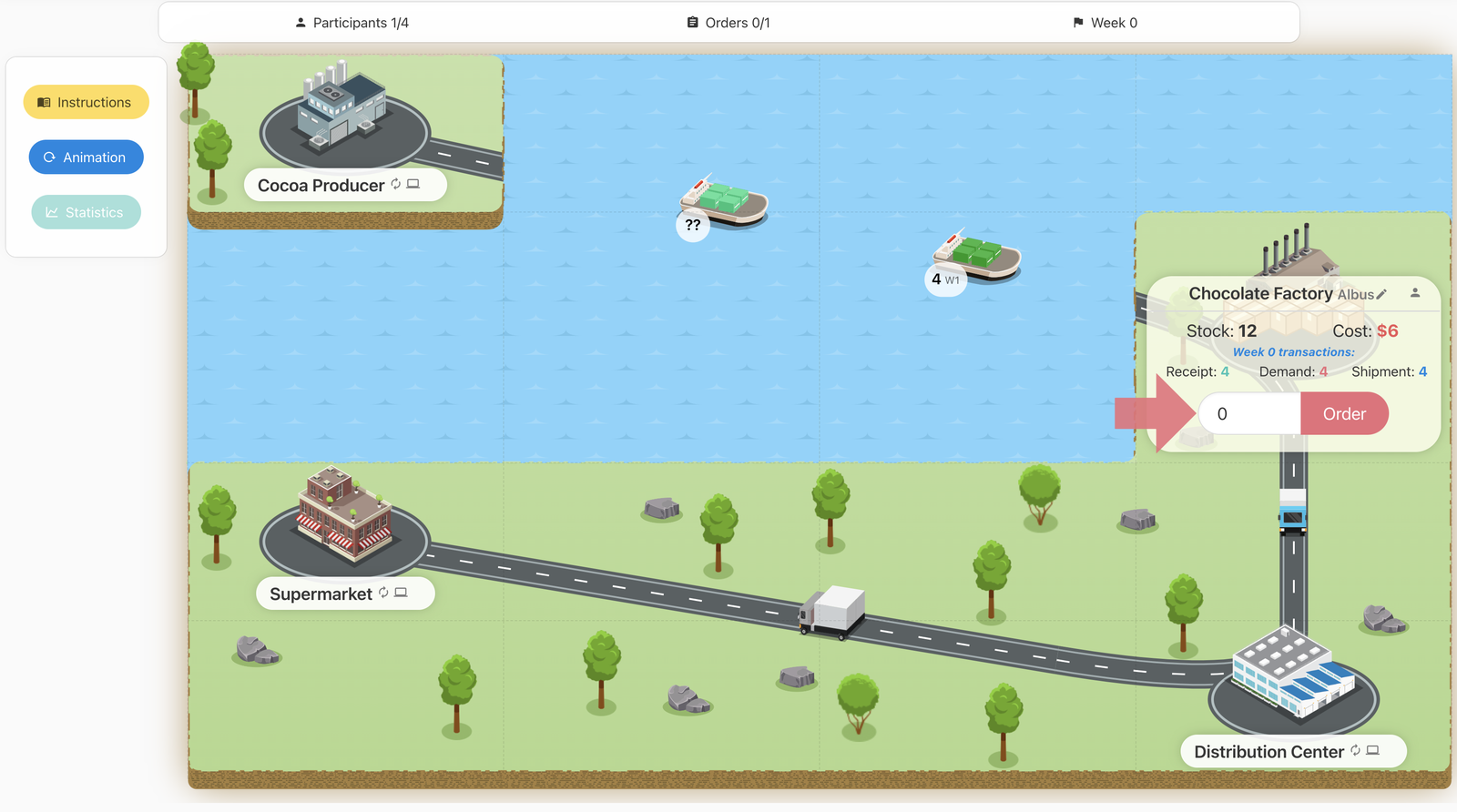
The online beer game is the modern equivalent — a digital version built for convenience, accuracy, and flexibility. It removes the logistics of a physical setup and opens the game up to remote and large-scale audiences.
We'll start with a quick overview, summarizing the key points of comparison between the two versions. Following that, we'll break down each criterion in detail, giving you a comprehensive understanding of how these two contenders stack up against each other.
TL;DR of this comparison
Across the seven criteria below, the online beer game wins on setup speed, scalability, and customization — and most importantly on the debrief, where automated data turns analysis into an instant, accurate readout. The board version keeps one clear advantage: the energy and non-verbal richness of face-to-face play. So if in-person interaction with a small group is your top priority, the board game still delivers; for almost everything else — larger cohorts, tight schedules, repeatable sessions, deeper insight — the online version comes out ahead. The chart below shows how each format scores, criterion by criterion.
Setup & time
Setup and total session time matter most in classrooms and corporate workshops, where every minute is accounted for. This covers everything from preparing materials to running the session and getting to the debrief.
| Version | ✅ Pros. | ❌ Cons |
|---|---|---|
| Board Beer Game | Tangible, hands-on; structured pace | Needs space and materials; long setup and teardown; manual data collection delays the debrief |
| Online Beer Game | Ready in minutes; no materials; instant post-game analysis | Needs internet; brief software learning curve |
Winner: Online (5 vs 2). With nothing to prepare or pack away, and data ready the moment the game ends, the online version frees up the time that matters most — the debrief.
To counter the learning curve issue, Zensimu offers various online materials to help players fully understand how to play, including a video and an interactive tutorial.
Accessibility
Accessibility is about how easily participants can actually join, whatever their location or setup. It's increasingly decisive for distributed teams and remote student cohorts.
| Version | ✅ Pros. | ❌ Cons |
|---|---|---|
| Board Beer Game | Face-to-face interaction; no technology barriers | Everyone must be in the same room; harder to schedule |
| Online Beer Game | Join from anywhere; flexible scheduling | Needs a connection and basic digital comfort |
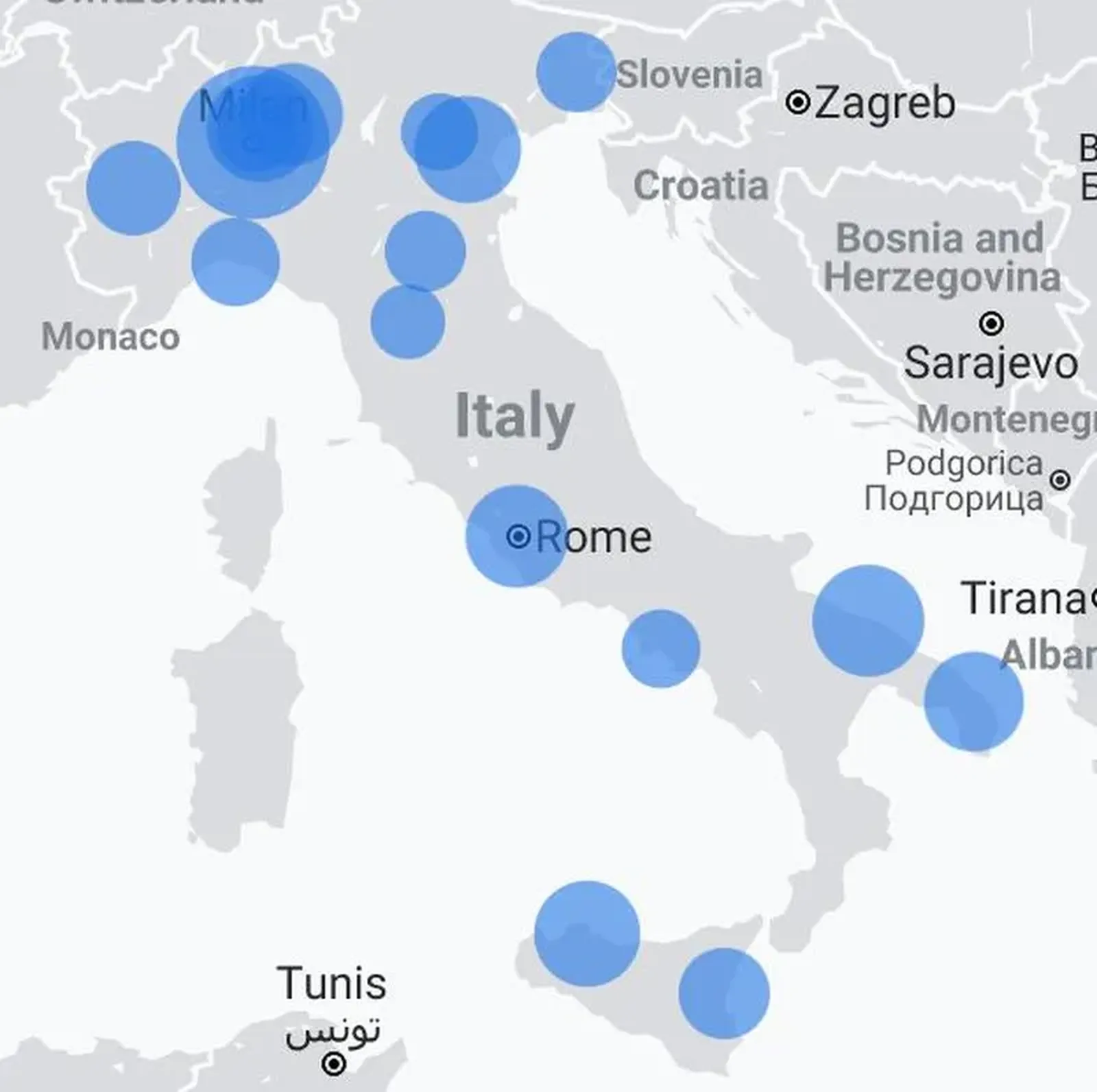
Winner: Online (4 vs 3). Letting dispersed teams and students join from anywhere — without travel or a shared venue — gives the online version the edge, even if the board game stays marginally simpler for a co-located group.
Cost
Cost is often the deciding factor, and it breaks down differently for each format: the board game is a one-off purchase, the online game a per-use or subscription cost. Here's how they compare.
| Version | ✅ Pros. | ❌ Cons |
|---|---|---|
| Board Beer Game: $185 per board (4-8 players) | No recurring fees; minimal technology costs | High upfront cost; venue and logistics; potential travel |
| Online Beer Game: $20-$25 per player | Lower setup costs; no travel or venue costs; cheaper with volume | Subscription or license fees; needs devices and internet |
Winner: Tie (3 vs 3). The board version trades a higher upfront cost for no recurring fees; the online version avoids venue and travel costs but adds a subscription. For occasional one-off use the board can work out cheaper — but the more often you run it, the more the online economics favour you.
Zensimu's pricing is flexible and adapts to your specific needs, whether you are hosting a single event or multiple sessions over a year.
Interaction & engagement
This is where the energy of the room comes in — direct conversation, body language, and a team making decisions together under pressure. It's the heart of what makes the beer game memorable.
| Version | ✅ Pros. | ❌ Cons |
|---|---|---|
| Board Beer Game | Direct, natural communication; non-verbal cues; strong team bonding | Limited to who's in the room; harder to schedule |
| Online Beer Game | Interactive dashboards and gamification; remote participation; built-in chat | Fewer non-verbal cues; risk of screen fatigue |
Winner: Board (5 vs 4). Nothing fully replaces being in the same room — face-to-face interaction and non-verbal cues make the board version the most engaging on this measure. The online version closes much of the gap with interactive visuals and gamified play, especially for remote groups.
Data & debrief
A beer game is only as good as its debrief — the moment players see the bullwhip effect in their own numbers. How quickly and accurately you get there makes or breaks the learning.
| Version | ✅ Pros. | ❌ Cons |
|---|---|---|
| Board Beer Game | Hands-on, transparent data handling; in-depth live discussion | Manual tracking is slow and error-prone; debrief delayed while data is collected |
| Online Beer Game | Automated, accurate tracking; instant charts and reports; real-time feedback | Less personal than a live discussion; brief learning curve reading reports |
Winner: Online (5 vs 2). Automated data collection turns a tedious manual step into an instant, accurate debrief — so the session goes into discussing insights, not tallying spreadsheets. This is the online version's single biggest advantage.
Customization
Every audience is different, and a game that mirrors a group's own industry and context lands far better. Customization is about how easily you can tailor the simulation to fit.
| Version | ✅ Pros. | ❌ Cons |
|---|---|---|
| Board Beer Game | On-the-fly facilitator tweaks; custom physical materials possible | Hard to change mid-game; fixed scenarios; new setups costly to build |
| Online Beer Game | Adjust parameters, roles and scenarios in a few clicks; ready-made industry templates | Limited to what the software supports |
Winner: Online (4 vs 2). With editable parameters and ready-made templates for industries like food, aerospace, and pharma, the online version adapts to any audience in minutes — something physical materials can't match.
Scalability
Scalability is the ability to run the game just as smoothly for a team of eight as for a lecture hall of five hundred. For universities and large training programs, it's often the deciding factor.
| Version | ✅ Pros. | ❌ Cons |
|---|---|---|
| Board Beer Game | Great for small, intimate groups; easy direct facilitation | More players means more space, materials and facilitators; hard to run at scale |
| Online Beer Game | Handles small and very large groups alike; automated management; consistent experience at any size | Larger groups can feel less personal; depends on the platform |
Winner: Online (5 vs 2). Whether it's a single team or 500+ students in one contest, the online version scales without extra materials or logistics — making it the natural fit for large cohorts and recurring programs.
The Verdict
Both formats teach the bullwhip effect well. The board version wins on raw in-person energy, but the online version comes out ahead almost everywhere else — faster setup, instant debriefs, effortless scaling, and deep customization. The best part: you don't actually have to choose. Zensimu runs just as well in a room as it does remotely, so you keep the face-to-face dynamics and get automated data and analysis on top. See below how it works in practice.
Hybrid Approach with Zensimu
In practice, players open Zensimu in a laptop or phone browser while sitting in the same room — so the session feels like a traditional board game, but all the scorekeeping happens automatically in the background. Teams run it exactly this way at conferences (Bose Sales Seminar), in university classrooms (HEC Trium Executive MBA), and in plenty of corporate workshops in between.
You keep the conversations, the negotiation, and the team dynamics that make the in-person version work — and gain automated tracking, an instant debrief, and custom scenarios with none of the manual setup. It's the same flexibility that lets the game scale to a fully remote group whenever you need it to.

